When planning a new port, quay, or offshore project, choosing the right rubber fender system is one of the most important decisions you will make. A fender is not just a protective accessory—it ensures safe berthing, extends the service life of your structures, and reduces long-term maintenance costs.
But with so many fender types available, how do you select the most suitable one for your project? Here’s a practical guide.
1) Understand the Function of Rubber Fenders
Rubber fenders act as a buffer between vessels and marine structures. Their main purposes are:
— Absorbing impact energy during berthing
— Protecting ships and quay walls from damage
— Ensuring safe mooring operations under various sea conditions
Because every port and vessel type is different, selecting the right fender requires a balance of safety, durability, and cost-efficiency.
2) Consider the Vessel Size and Type
The size, weight, and draft of vessels using your port directly influence fender selection.
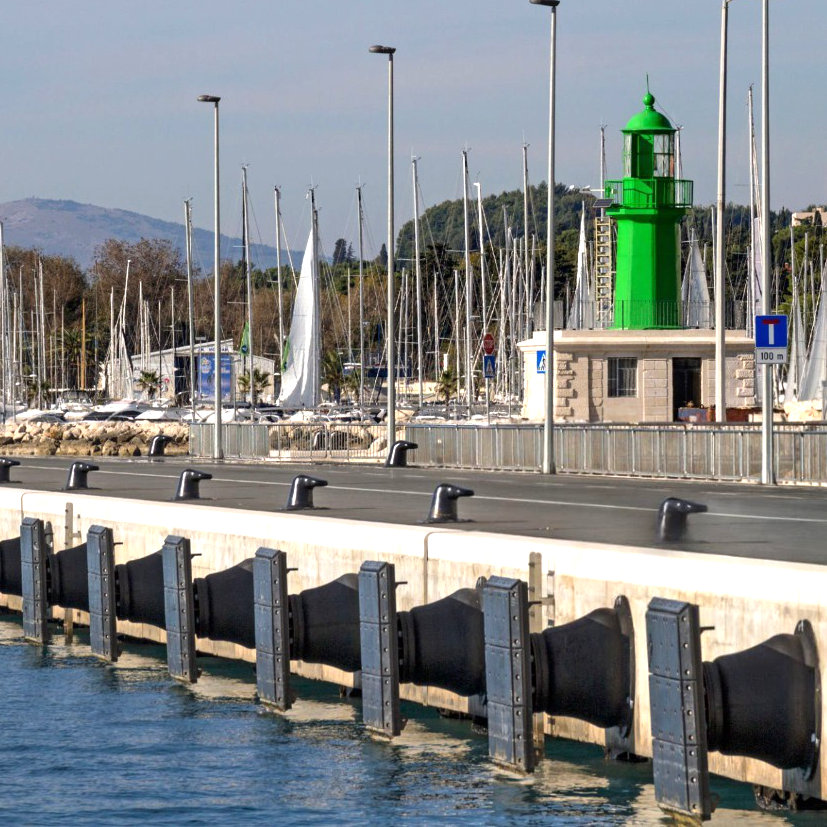
— Small boats & fishing vessels → D-type or cylindrical fenders
— Cargo ships & bulk carriers → Super cell fenders or cone fenders
— Oil tankers & LNG carriers → Large-scale pneumatic fenders or cone fenders
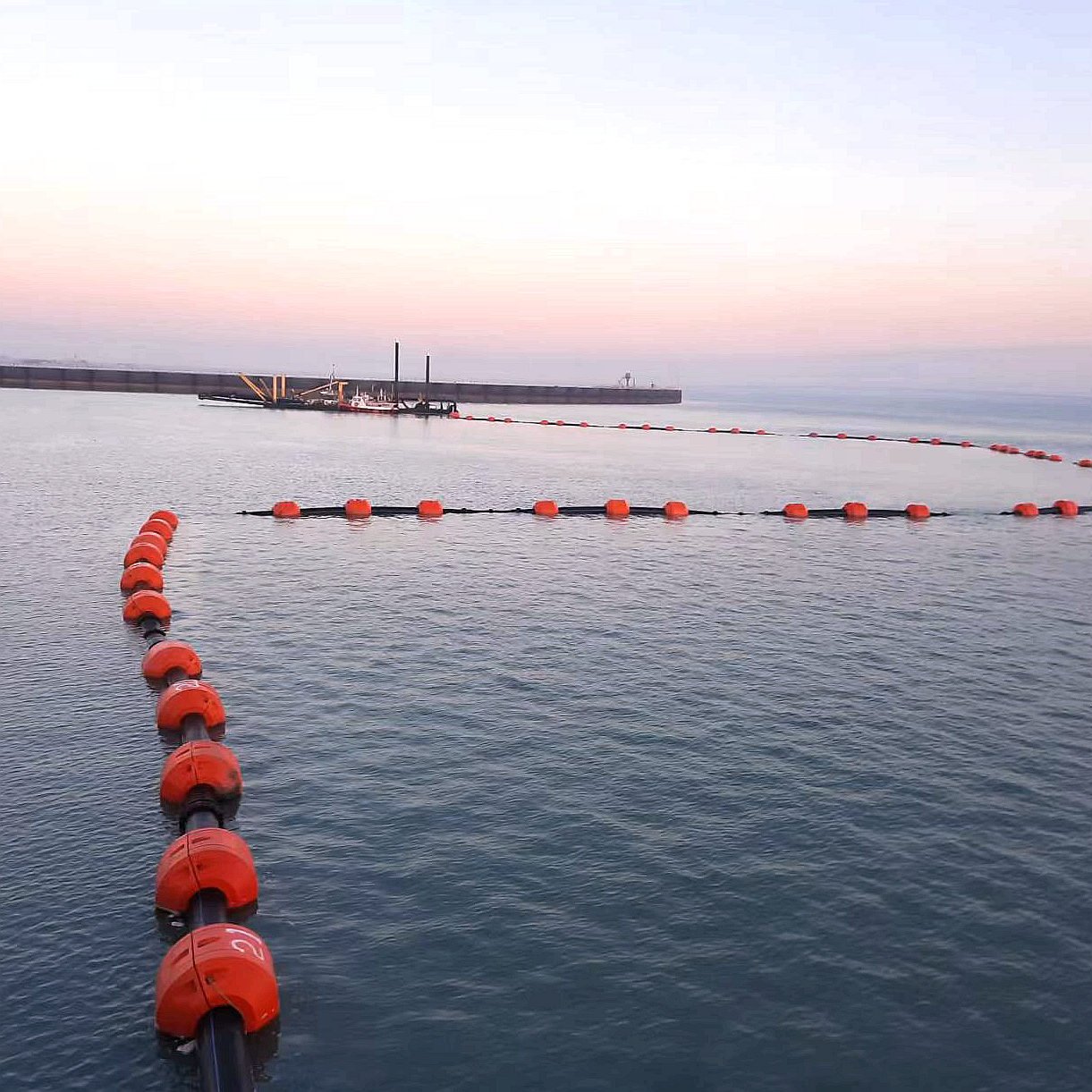
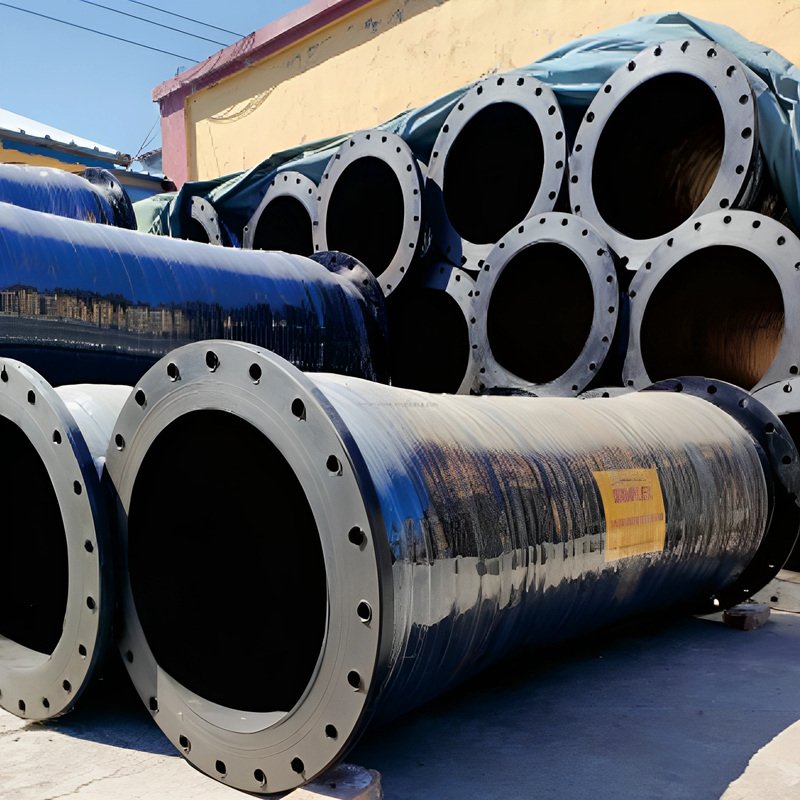
For vessels transporting oil or gas, our marine hose solutions also play a vital role in safe loading and unloading operations.
3) Analyze Berthing Conditions
Different environments require different fender designs.
— Calm, sheltered ports → Simple D fenders or arch fenders may be enough
— Busy commercial terminals → Cone or super cell fenders for higher performance
— Exposed offshore structures → Pneumatic fenders or foam-filled fenders to withstand waves and tidal variations
4) Check Installation Space and Structure
Not all fenders fit every structure. Before choosing, evaluate:
— Available installation area on quay walls or dolphins
— Strength of the structure to withstand reaction forces
— Ease of maintenance and replacement
For example, arch fenders are compact and suitable for limited space, while cone fenders require larger foundations but provide excellent energy absorption.
5) Material Quality and Standards
Since fenders are long-term investments, ensure the material meets international standards such as PIANC, IALA, or ISO. High-quality rubber with proper aging resistance and UV stability ensures decades of reliable performance.
To extend the lifespan of your fender system, you can also consider accessories like chains, shackles, and steel panels that enhance installation strength and reduce wear.
6) Factors in Project Budget and Lifecycle Costs
The cheapest option is not always the best. Consider:
— Initial cost vs. service life
— Maintenance requirements
— Replacement frequency
A slightly higher investment in a durable fender can save significant costs in repairs and downtime.
7) Consult with an Experienced Manufacturer
Every project has unique conditions. Partnering with a professional rubber fender manufacturer allows you to:
— Get a customized design
— Ensure compliance with international safety standards
— Receive technical support from design to installation
Conclusion
Choosing the right rubber fender is not a “one-size-fits-all” process. By considering vessel types, berthing conditions, installation space, and long-term durability, you can ensure the safety and efficiency of your marine project.
If you’re planning a port upgrade or a new project, contact our team for expert advice and reliable customized rubber fender solutions.